Adjustable-Rate Mortgages: Lower Initial Rates

Planning to move or refinance in a few years? ARM loans offer lower initial rates than fixed-rate mortgages.
See ARM Rates
Talk to a Loan Officer
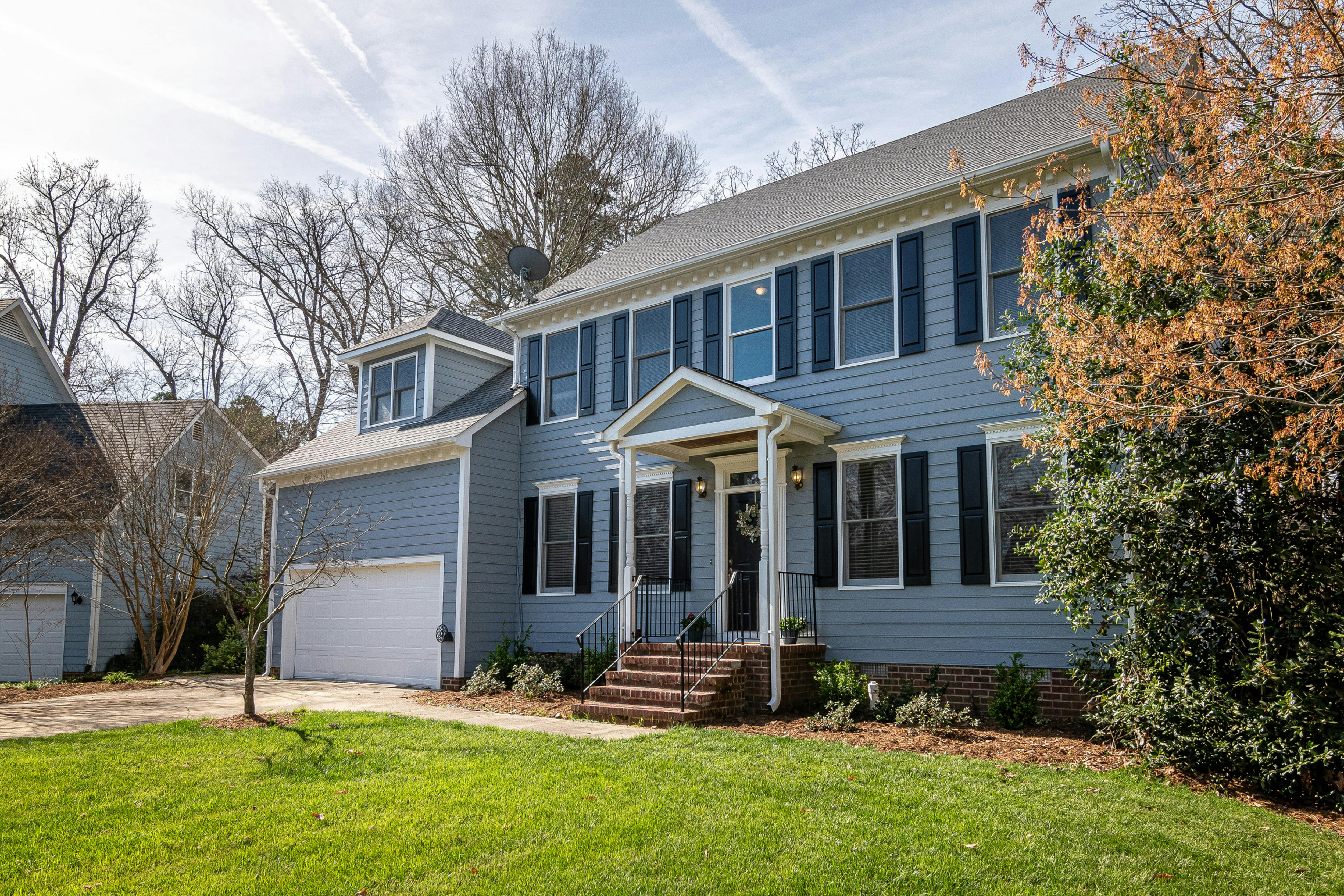
Two-story blue house with black shutters, a white porch with columns, a brick staircase, and a double garage.

What is an ARM Loan?

An Adjustable-Rate Mortgage (ARM) is a loan where the interest rate changes over time based on market conditions. ARMs typically start with a lower rate than fixed-rate mortgages, then adjust periodically after an initial fixed period.

Common ARM Types:

  • 5/1 ARM: Fixed for 5 years, adjusts annually after
  • 7/1 ARM: Fixed for 7 years, adjusts annually after
  • 10/1 ARM: Fixed for 10 years, adjusts annually after

Three people discussing documents over a wooden table with a laptop and a small green plant.

Key Features

Understanding ARM Structure

Previous
Next

Initial Fixed Period

    • Your rate stays the same for 5, 7, or 10 years (depending on your ARM type).

Adjustment Period

  • After the fixed period, your rate adjusts based on:
    • Current market index rate, your loan's margin (typically 2-3%), and rate adjustment caps.

Rate Caps

ARM caps typically limit increases to 2% at the first adjustment, 2% per subsequent adjustment, and 5% over the loan’s life; a 5/1 ARM at 6.0% can reach 8.0% in year six and never exceed 11.0%.

Lower Initial Rate

Typically 0.5-1% lower than fixed-rate mortgages during the initial period.

Lower Monthly Payments

Save money during the fixed period—especially valuable if you plan to move or refinance.

Good for Short-Term Ownership

If you're planning to sell or refinance within 5-10 years, you may never experience a rate adjustment.

Potential Rate Decreases

If market rates drop, your rate could decrease.

Is an ARM Right for You?

Good fit if you:

✓ Plan to move within 5-10 years
✓ Expect income to increase significantly
✓ Plan to refinance before the rate adjusts
✓ Want lower payments during the initial period
✓ Are comfortable with some payment uncertainty
✓ Have financial flexibility to handle rate increases


Not a good fit if:

  • You plan to stay in the home long-term
  • You need payment predictability
  • You're stretching to afford the initial payment
  • You're uncomfortable with rate adjustment risk
  • You want to set it and forget it

Example Monthly Payment (on $300,000 loan):

  • 5/1 ARM at 6.0%: $1,799/month years 1-5
  • 30-Year Fixed at 6.75%: $1,946/month
  • Savings: $147/month ($8,820 over 5 years if you move/refi)

Woman sealing a cardboard box with yellow packing tape dispenser in a room with stacked boxes and covered furniture.

Good Reasons to Choose an ARM

You're Moving Within 5-10 Years

  • Military families, job relocations, or planned moves before the rate adjusts.

You're Planning to Refinance

    • You expect to refinance to a fixed rate before the adjustment period.

You Want Maximum Savings Now

  • You need lower payments during the initial period and can handle potential increases later.

You Expect Income Growth

  • Your income will increase significantly, making future payment increases manageable.

ARM Risks to Understand

Payment Can Increase

After the fixed period, your payment could rise—potentially significantly.

Budgeting Uncertainty

Hard to plan long-term with variable payments.

Refinance Risk

If rates are higher when you want to refinance, you may be stuck with the ARM.

Market Conditions

Rate adjustments depend on market indexes beyond your control.

Bottom Line: ARMs work well for short-term ownership but require financial flexibility for long-term ownership.

How to Get an ARM

Step 1

Get Pre-Approved

Share your finances to confirm your budget and eligibility in minutes.

Step 2

Find Your Home

Shop confidently within your approved price range and preferred neighborhoods.

Step 3

Apply & Lock Rate

Submit documents, finalize loan terms, and secure your interest rate.

Step 4

Close

Sign final paperwork, fund the loan, and receive your keys.

Get Pre-Approved for ARM

ARM FAQs

Contact Us

Your rate adjusts based on current market rates, subject to rate caps. Adjustments typically happen annually.

Yes, many ARM borrowers refinance to a fixed rate before or shortly after the first adjustment.

Most ARMs use SOFR (Secured Overnight Financing Rate) or the 1-Year Treasury index.

Yes, if market rates drop. However, most borrowers refinance to lock in lower rates rather than wait for adjustments.

It depends on how long you plan to keep the loan. Choose the shortest fixed period you're comfortable with to get the lowest rate.

See If an ARM Is Right for You

Compare ARM and fixed-rate options. See your rates and potential savings.

See ARM Rates
Talk to a Loan Officer